Women’s Health Wearables: From Continuous Signals to Actionable Digital Phenotypes Across the Reproductive Lifespan
Wearable technologies are reshaping women’s health by extending observation beyond episodic clinical encounters into daily life. Across the reproductive lifespan, they can capture physiological, behavioral, symptom, and functional trajectories that are often missed in routine care. Yet more data do not automatically translate into better care. Clinical value depends on whether multimodal signals can be modeled and interpreted in relation to reproductive biology, temporal change, and meaningful clinical or functional endpoints. In this perspective, we examine how women’s health wearables can move beyond consumer tracking toward validated digital phenotyping across menstruation, fertility, pregnancy, postpartum recovery, and menopause. We propose a four-layer framework spanning data capture, physiological domain mapping, computational phenotyping, and actionable translation. We then apply this framework across key reproductive life stages. Menstrual health and fertility applications illustrate the shift from calendar-based prediction toward physiological, metabolic, and hormone-aware monitoring. Pregnancy and postpartum applications highlight the need for safety-focused validation, maternal-infant risk awareness, and clinician-governed escalation pathways. Menopause and midlife health represent underdeveloped areas where longitudinal digital phenotyping may better capture vasomotor, sleep, mood, fatigue, and functional symptoms. Across these domains, we identify key barriers to translation, including limited hormone-linked validation, inconsistent evidence standards, underrepresentation of diverse populations, privacy risks, algorithmic bias, and weak workflow integration. By organizing wearable-derived signals across reproductive life stages and identifying major translational barriers, this perspective provides a roadmap toward biologically grounded, equitable, and clinically actionable digital phenotyping for women’s health.
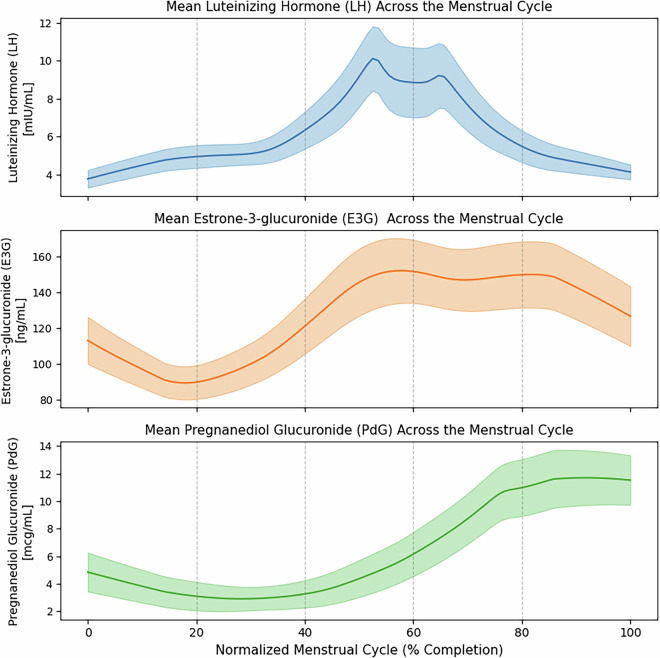 A longitudinal dataset of physiological, hormonal, metabolic, and self-reported menstrual health dataScientific Data, 2026


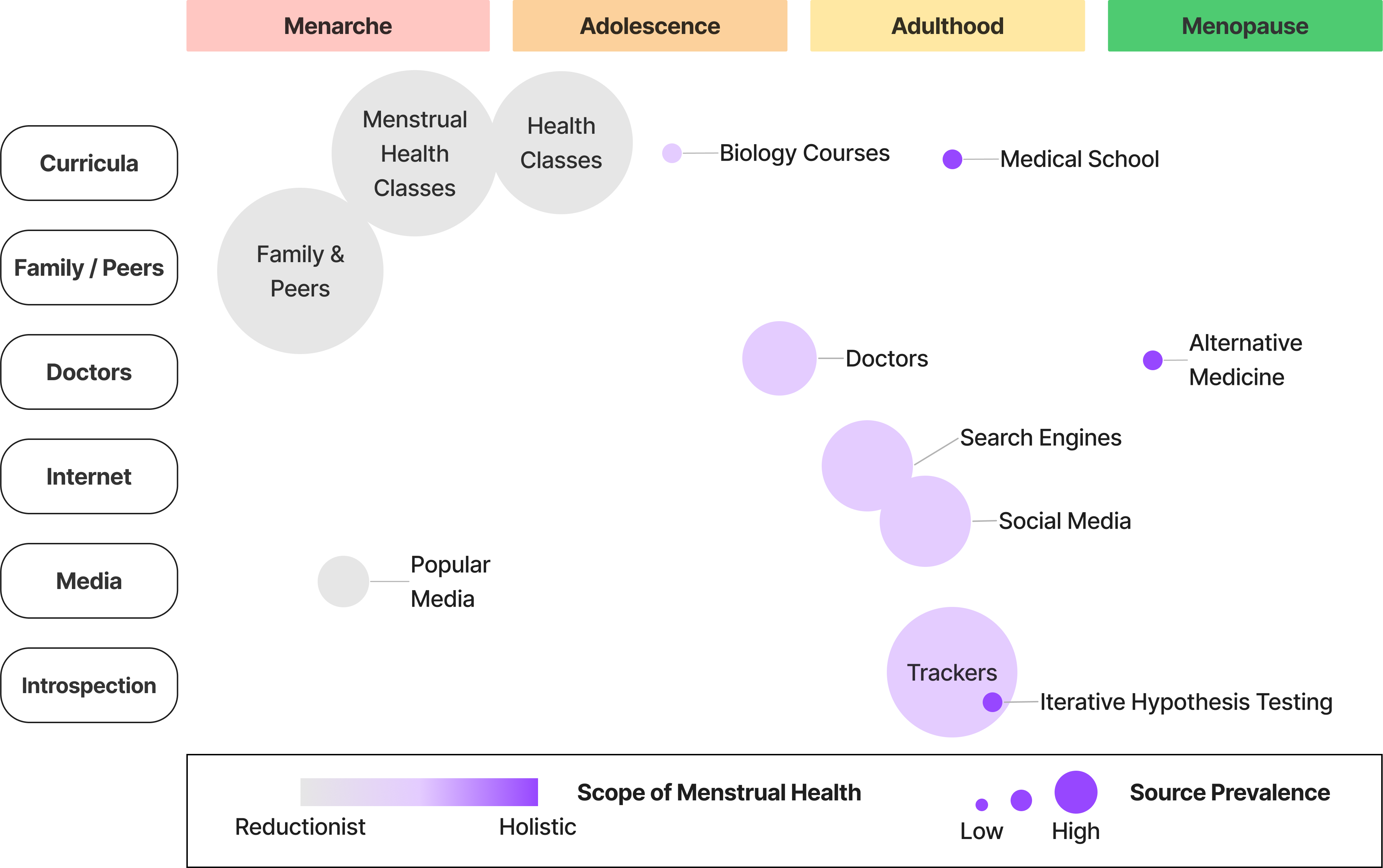 From fertility to overall health: Barriers and catalysts to a holistic menstrual health perspectiveACM Transactions on Computing for Healthcare, 2025


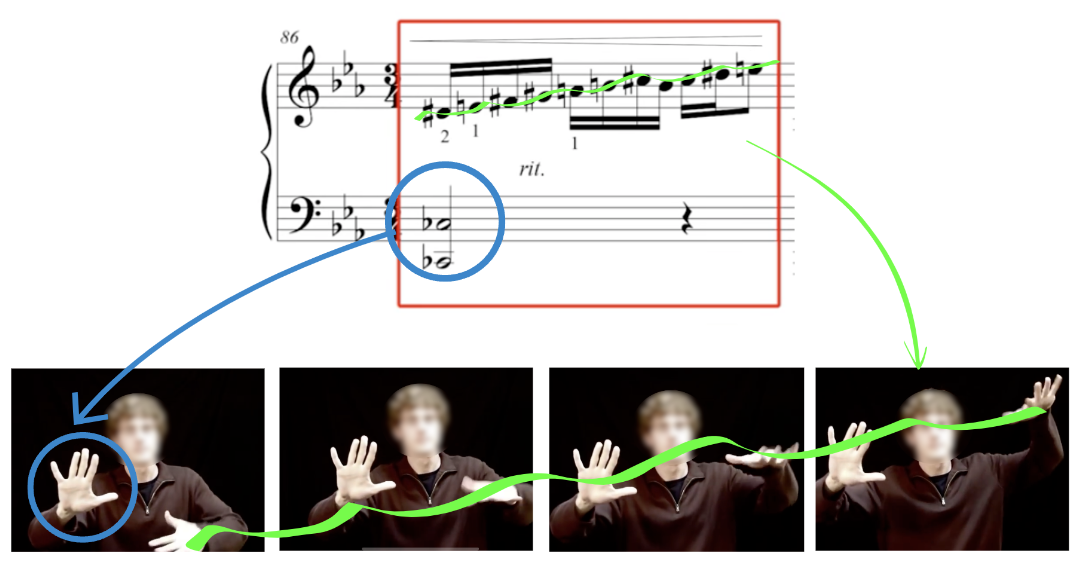 Understanding tensions in music accessibility through song signing for and with d/Deaf and Non-d/Deaf personsIn Proceedings of the 2023 CHI Conference on Human Factors in Computing Systems, Oct 2023


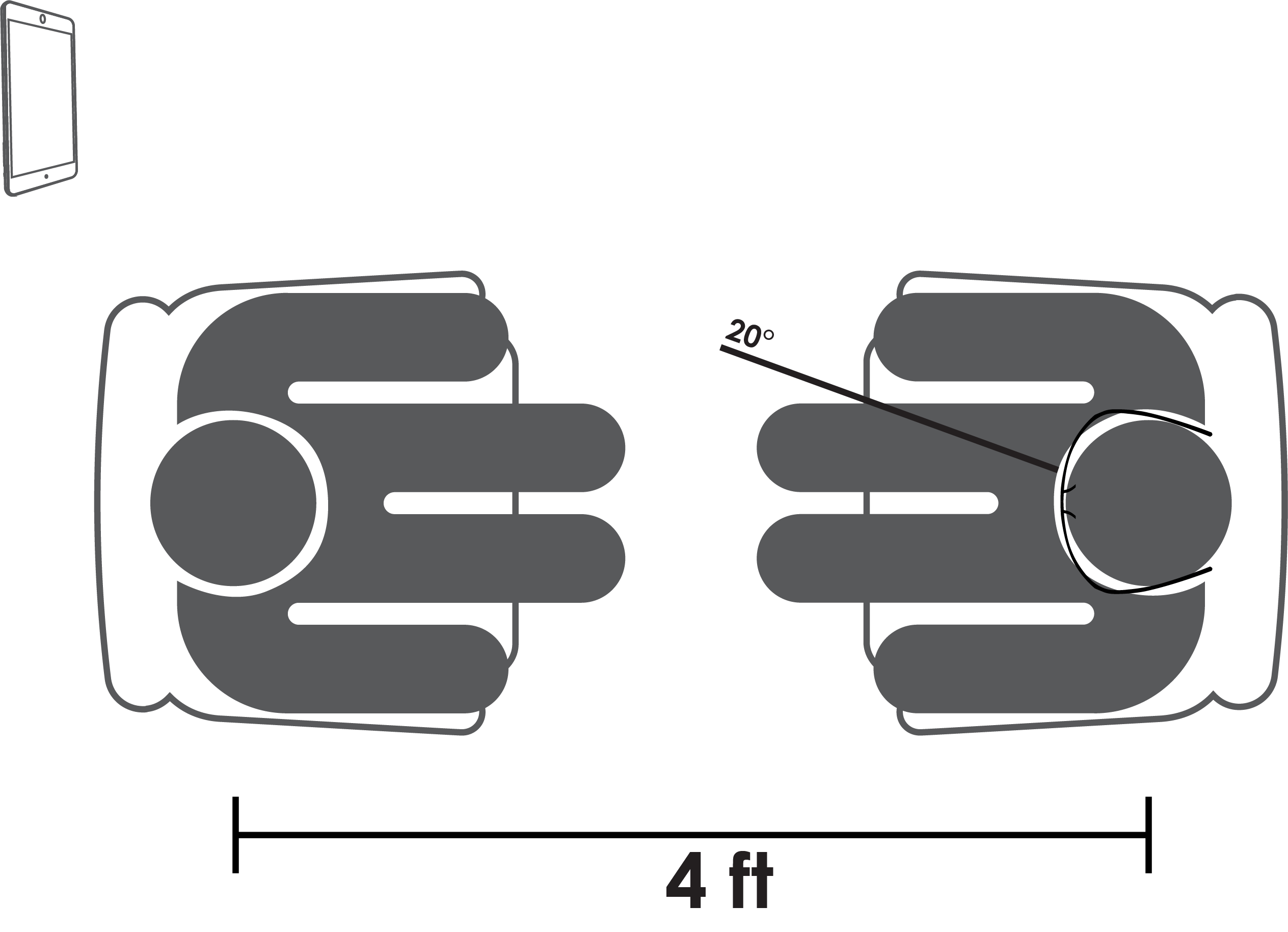 Conversational Partner’s Perception of Subtle Display Use for Monitoring NotificationsIn Proceedings of the Augmented Humans International Conference 2021, Oct 2021


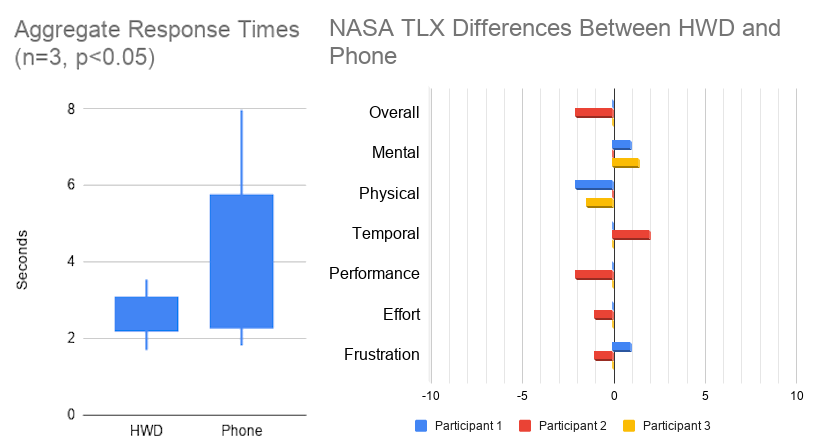 Towards an Understanding of Real-time Captioning on Head-worn DisplaysIn 22nd International Conference on Human-Computer Interaction with Mobile Devices and Services, Oct 2020
